
 Español
 English
 Português
 Français
 Italiano
 Deutsch
 中文
 日本語
 한국어
 Русский
 Nederlands
 Svenska
 Norsk
 Íslenska
Speaking · 4 min read
Why you understand a language but can't speak it
Understanding and speaking are different skills. Here is why you freeze when it's your turn to talk, five habits that help, and a two-minute exercise for today.
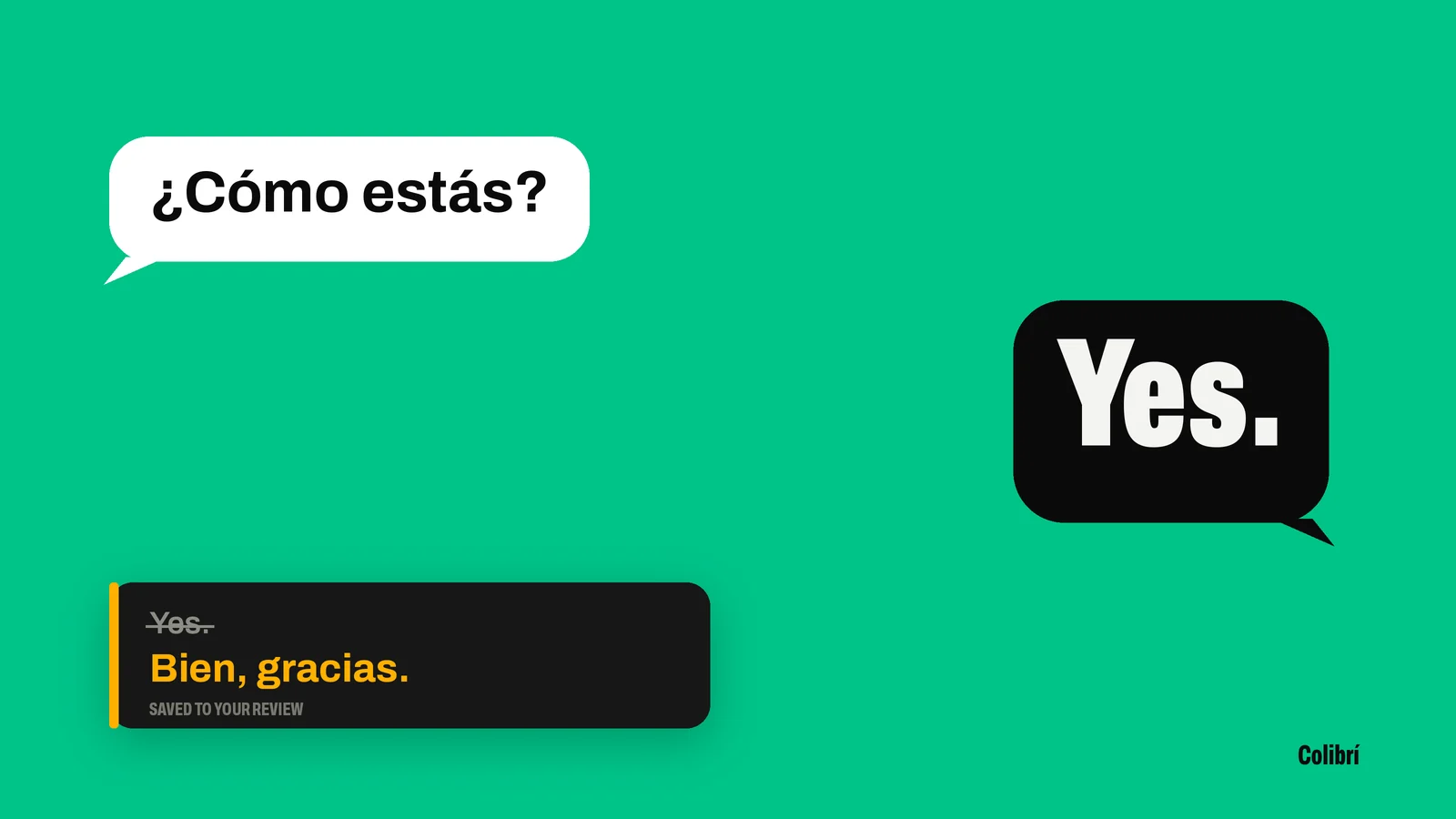
You watch shows in Spanish, or French, or Japanese. You follow most of what they say and you can read a menu without help. Then someone actually talks to you, it's your turn, and your mind goes blank. The words you know don't come out, or they come out late, after the conversation has moved on.
If that sounds familiar, you're far from the only one, and it has nothing to do with talent. There is a simple explanation, and a way out.
Understanding and speaking are two different skills
Understanding is recognizing: you hear a sentence and your brain matches it with what it already knows. Speaking is producing: you have to find the words, put them in order, pick the right verb form and pronounce it, all within a couple of seconds.
Music works the same way. You can recognize a song from the first note and still be unable to sing it from memory. To sing it, you need to have sung it many times.
That's why someone can understand a lot and say very little. Nothing has been forgotten. They simply practiced one skill much more than the other. Shows, reading and app exercises mostly train recognition. Speaking only gets trained by speaking.

Fear plays a part too
The other half is emotional. When you're afraid of getting it wrong, you check every sentence before saying it: is this the right tense, does this word exist, is that how you pronounce it? All that checking slows down everything else.
Anyone who has learned a language knows the feeling: anxiety makes it harder to use what you already know. The less you speak, the scarier it gets, and the scarier it gets, the less you speak.

The good news is that the loop breaks the same way it formed: with practice, in small doses and without pressure.
Five habits that help
- Speak out loud every day, even when nobody is around. Two or three minutes is enough. Describe what you're doing, what you're about to cook, what you saw on the street. The point is to get your mouth used to producing the language, not just your ears to hearing it.
- Learn whole phrases, not single words. «¿Me lo puedes repetir?» or «No estoy seguro, pero creo que…» work as they are, with nothing to build on the spot. The more ready-made phrases you have, the less you need to assemble while you talk.
- Prepare what you're going to say. Before a call or a trip, think of the three or four things you'll almost certainly need to say and rehearse them out loud. It isn't cheating. You do the same in your own language.
- Leave the corrections for later. While you speak, the goal is to get the message across. If you make a mistake, keep going. When you finish, look at what went wrong and practice just that. Correcting yourself mid-sentence is what blocks you the most.
- A little and often beats a lot once in a while. Ten minutes of conversation a day does more than a two-hour class once a month. A language becomes automatic through repetition, not intensity.
An exercise for today
You'll notice two things: you make fewer mistakes than you thought, and you know more than what comes out under pressure.
Do it again tomorrow with a different topic. In a week you'll feel the difference.
If you want to speak, you have to speak. A little every day.
Speaking without fear is a skill
We built Colibrí for exactly this. It's an app to practice by speaking, with an AI tutor that listens, answers and adapts to your level. When you make a mistake, it doesn't interrupt you. The correction shows up on screen while the conversation keeps going, and you review it later.

With or without an app, the two-minute exercise works the same. Start today.
Keep reading
-
Learning
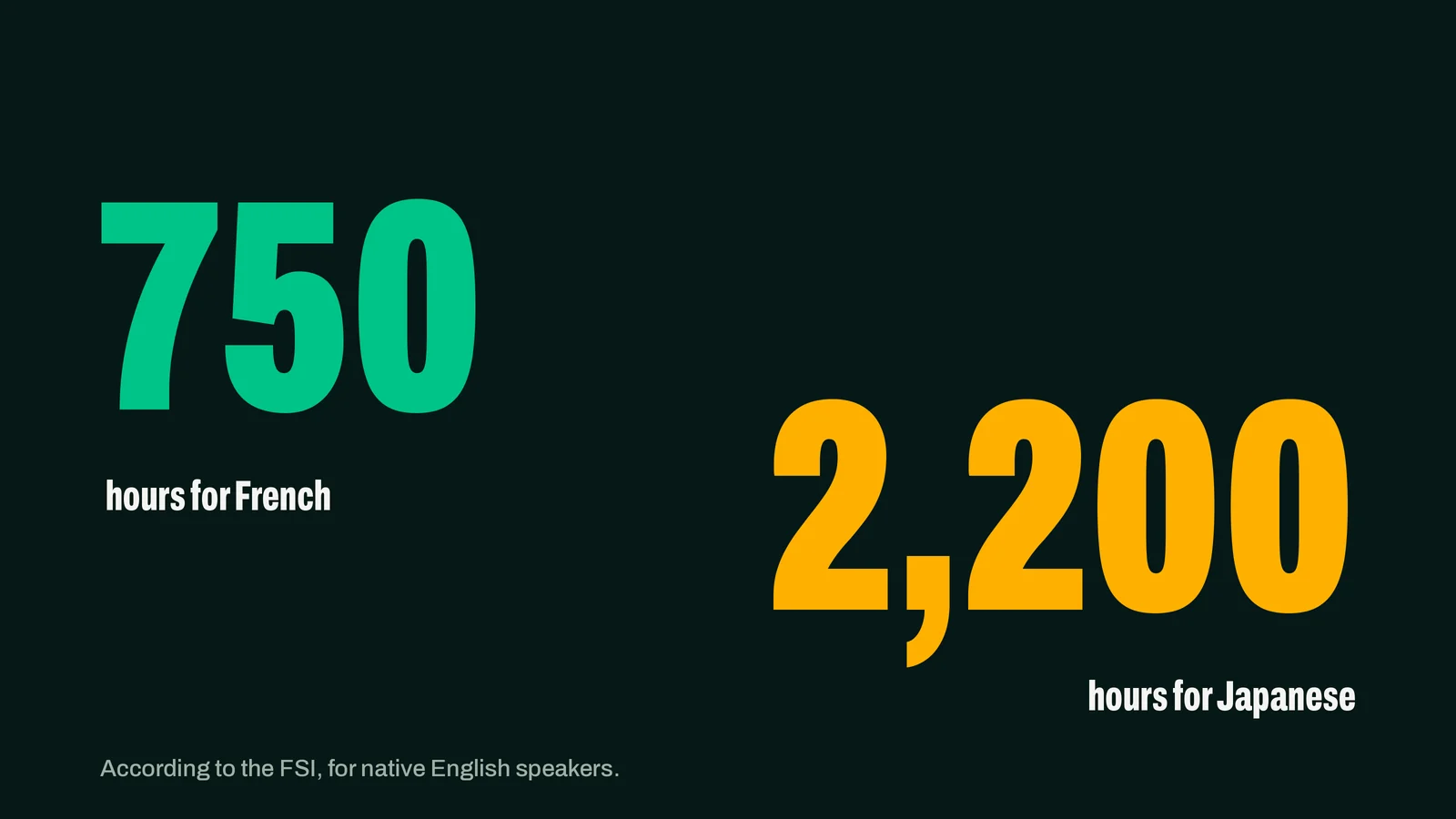
How long does it take to learn a language? What the hours say
The U.S. Foreign Service Institute estimates 600 to 2,200 class hours depending on the language. What those numbers mean, what they leave out and how to do your own math.
Read -
Fun facts
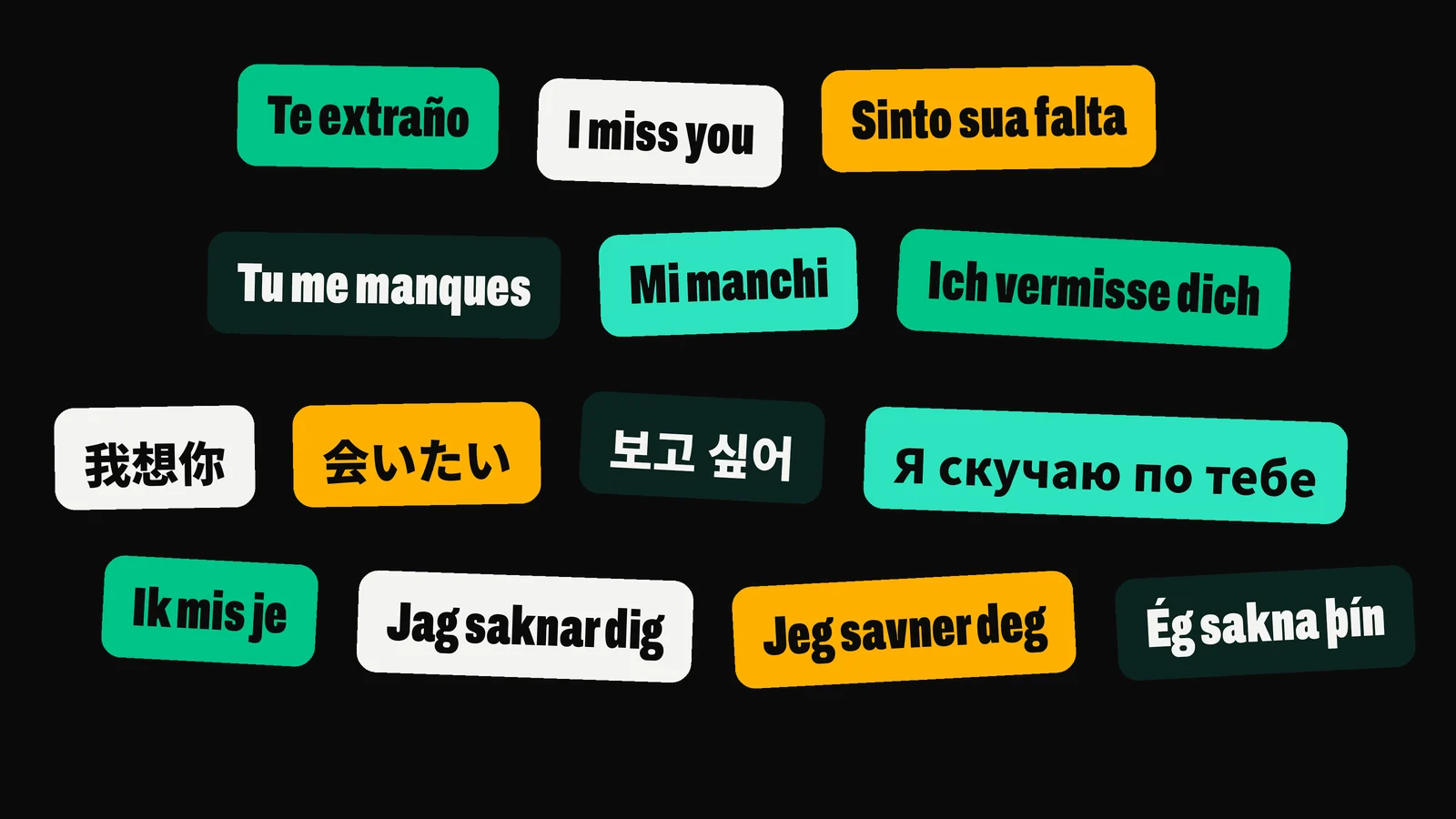
How to say «I miss you» in other languages, and what it really means
In French the other person is missing from you, in Japanese and Korean you want to see them, and in Russian you're bored without them. «I miss you» in fourteen languages, word by word.
Read